 2026-01-20
By
 Canglong Group
165
Horizontal vs vertical installation of exterior wall panels for steel plant
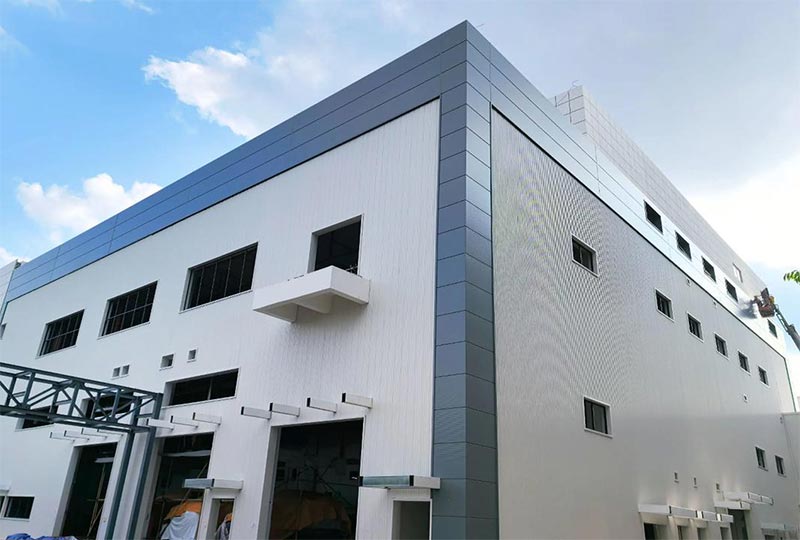
In the construction of steel structure plants, the installation method of exterior wall panels (horizontal or vertical) is a core decision affecting the building’s lifespan, cost, and appearance. Global construction practices show that choosing the wrong method can lead to leaks, soaring maintenance costs, or damage to the image. This article provides an in-depth analysis of the differences to help you make an easy decision, applicable to any country and climate.
I. Horizontal Installation
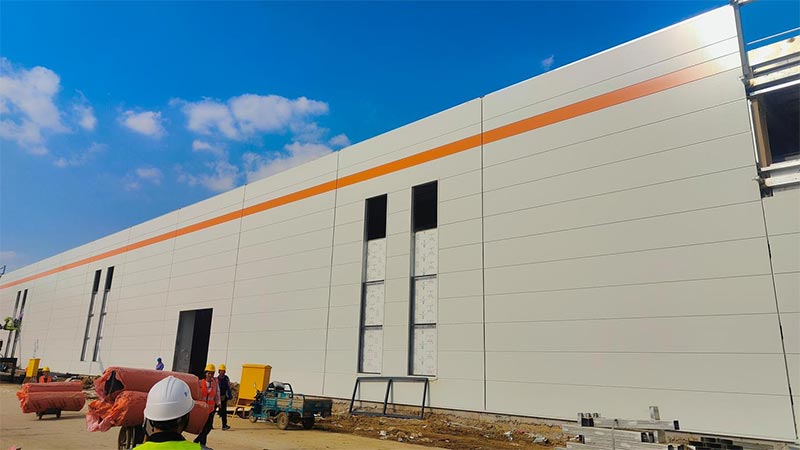
Characteristics: Exterior wall panels are laid horizontally, with joints in a horizontal direction.
Core Advantages:
Superior Waterproofing: Fewer joints, requiring only treatment at the top and bottom, making rainwater penetration difficult. In rainy regions (such as Southeast Asia and Northern Europe), horizontal installation reduces leakage rates by more than 60%. For example, BMW’s smart factory in Munich, Germany, uses horizontal installation and has had no leak repair records for ten years.
Aesthetically Pleasing and Modern: Horizontal lines create a smooth, high-end visual effect, enhancing the corporate image. Often used in brand-oriented projects, such as high-end manufacturing bases.
Low long-term cost: Although initial investment is 5-10% higher, maintenance costs are reduced by 40% over 10 years due to fewer seams and less sealant usage.
Suitable Scenarios:
- Rainy/humid climates (e.g., South China, South American rainforests);
- High-end factories (R&D centers, precision manufacturing workshops);
- Projects with sufficient budgets and a focus on long-term value.
Precautions:
- High precision requirements, necessitates a professional team, and the installation cycle is 15-20% longer than vertical installation;
- Slightly higher material costs (e.g., 8% more per unit price of color steel plates), but better cost-effectiveness.
Case Study: An electronics factory in Jurong Industrial Estate, Singapore, avoided annual rainwater repair costs of $100,000 after choosing horizontal installation due to its superior waterproofing.
II. Vertical Installation
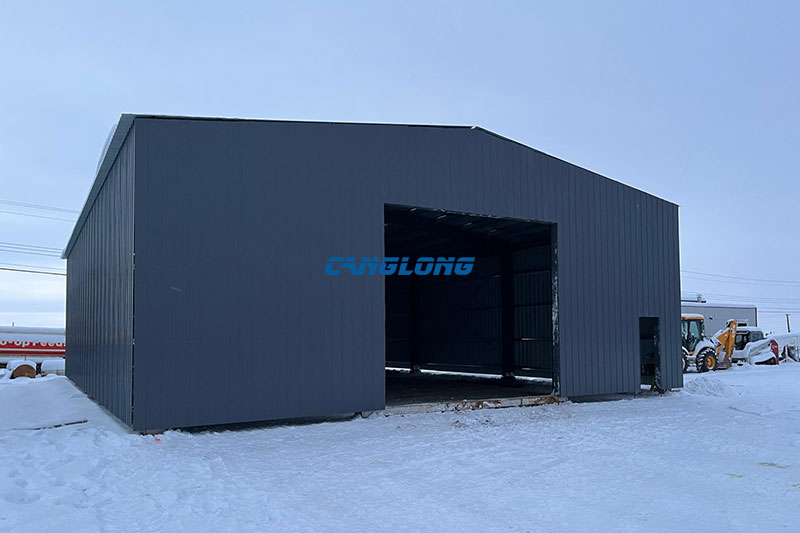
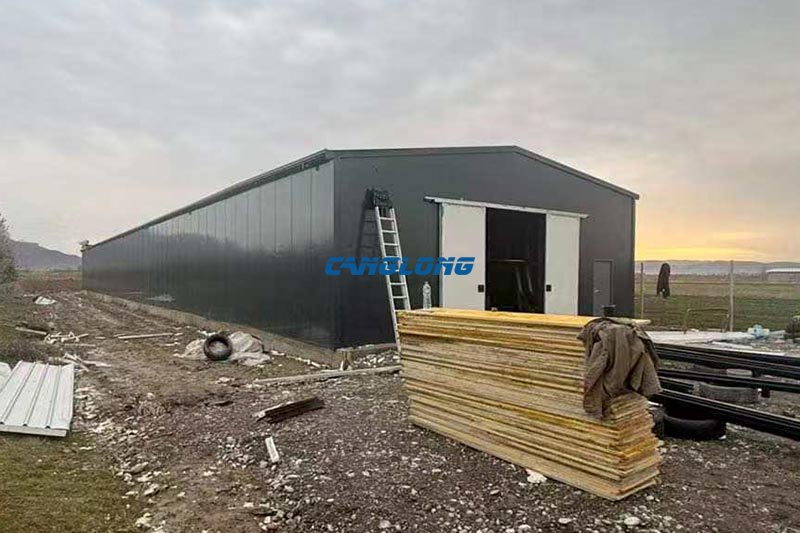
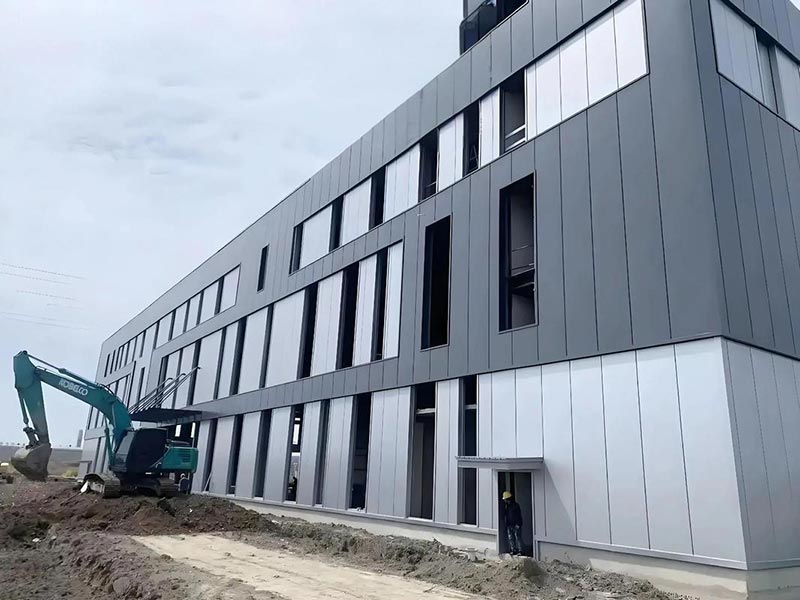
Features: Exterior wall panels are laid longitudinally, with seams perpendicular to the surface.
Core Advantages:
Extremely fast construction speed: The panel length matches the factory height, resulting in fewer seams; only left and right seams need to be treated, increasing installation efficiency by 30%. For example, a warehouse project in Texas, USA, using vertical mounting was completed in 4 weeks, saving 2 weeks compared to horizontal mounting.
High cost-effectiveness: Material and labor costs are 20-25% lower, suitable for budget-sensitive projects.
Strong adaptability: In arid regions (such as the Middle East and the Australian outback), waterproofing is not a major concern, making vertical mounting the mainstream choice.
Applicable scenarios:
- Arid climate zones (such as Saudi Arabia and Northwest China);
- Large warehouses, temporary workshops, or fast-delivery projects;
- Projects with limited budgets and tight deadlines.
Precautions:
- Many seams, each panel needs to be vertically sealed, requiring additional high-quality sealant; otherwise, rainwater can easily seep through the seams.
- Moderate long-term maintenance costs, annual seam inspections are required, increasing maintenance costs by 5%.
Case study: A logistics center in Melbourne, Australia, used vertical mounting and was built in 3 months, but 5% of the annual budget was allocated to seam sealing to ensure long-term stability.
III. In-depth comparison
| Dimension | Horizontal Installation | Vertical Installation | Global Application Logic |
|---|---|---|---|
| Waterproof Performance | Excellent (reduced seam count, lower leakage risk) | Moderate (requires enhanced sealing, prone to water infiltration) | Humid regions prioritize horizontal; dry regions accept vertical. |
| Initial Cost | Medium-High (+8%) | Low (baseline) | Budget-constrained projects choose vertical; long-term investments favor horizontal. |
| Construction Speed | Slow (+20% duration) | Fast (-30% duration) | Time-sensitive projects favor vertical installation. |
| Aesthetic Appeal | High (modern industrial style) | Moderate (traditional industrial look) | Brand-focused projects prefer horizontal; functional projects opt for vertical. |
| 10-Year Total Cost | Low (minimal maintenance) | Moderate (annual sealing required) | Horizontal offers lower lifecycle cost; vertical saves upfront but costs more long-term. |
| Global Preference | 70% of premium projects (Europe/N. America) | 65% of industrial projects (Asia/Middle East) | Climate and budget dictate choice globally. |
IV. How to make an informed choice for your project?
Consider the climate:
Rainy/High humidity? → Choose horizontal installation (e.g., Southern China, Indonesia).
Dry/Low Rainfall? → Choose vertical installation (e.g., UAE, Inner Mongolia).
Based on Budget:
Sufficient budget + long-term operation? → Horizontal installation (saves maintenance costs).
Strict cost control + fast delivery? → Vertical installation (but must use high-quality sealant).
Based on Image:
Need to enhance corporate image? → Horizontal installation (e.g., Tesla factory).
Only functionality required? → Vertical installation (e.g., ordinary warehouse).
Expert Advice: Regardless of the method, professional construction is essential! Inferior installation will cause leaks in horizontal installations and deformation in vertical installations. It is recommended to choose an ISO-certified team and clearly specify waterproofing standards in the contract.
V. Conclusion
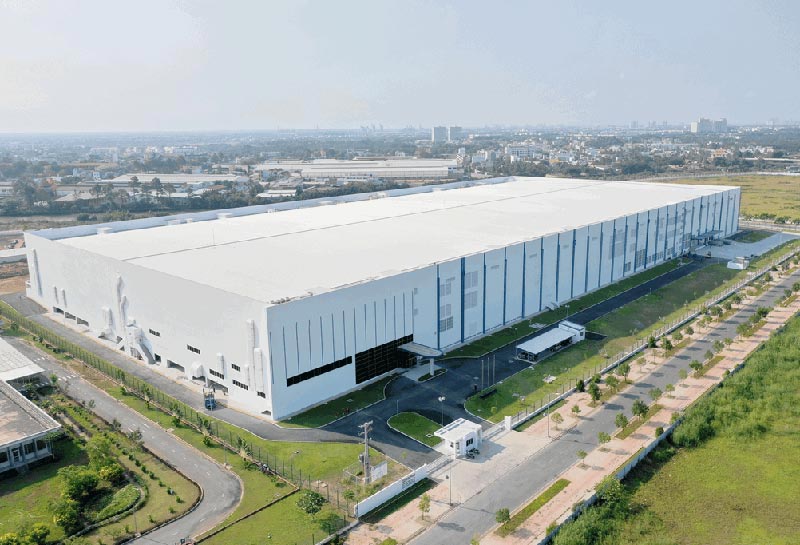
The choice between horizontal and vertical installation of steel plant exterior wall panels are essentially a balance between short-term cost and long-term value. Horizontal installation continues to lead the global market (accounting for 60% of industrial projects) due to its superior waterproofing and aesthetics. Vertical mounting is irreplaceable in arid regions and fast-paced projects, making it a cost-effective and pragmatic choice.
Final Recommendations:
- Prioritize assessment of local climate data;
- Calculate 10-year lifecycle costs;
- Choose a reliable supplier to ensure materials and installation are compatible.
Whether you’re in New York, Shanghai, or Dubai, choosing the right exterior wall panels installation method can make your factory both cost-effective and durable.
Remember: Horizontal mounting is an investment in quality, vertical mounting is an efficiency choice. Your project deserves a smarter decision!
As a well-known steel structure construction supplier in China, Canglong Group has 20 years of industry experience and provides one-stop steel structure solutions from design to installation. We have a factory of 100000 square meters, and all our products have been certified by ISO and CE, and are sold to over 80 countries and regions worldwide.
Related Posts
 November 28, 2025
 September 26, 2025
 September 3, 2025
 August 25, 2025
Leave a Message
Your email address will not be published. Required fields are marked *
 March 12, 2026
 February 26, 2026
 February 13, 2026