 2025-12-09
By
 Canglong Group
165
How can steel structures reduce costs for your factory?
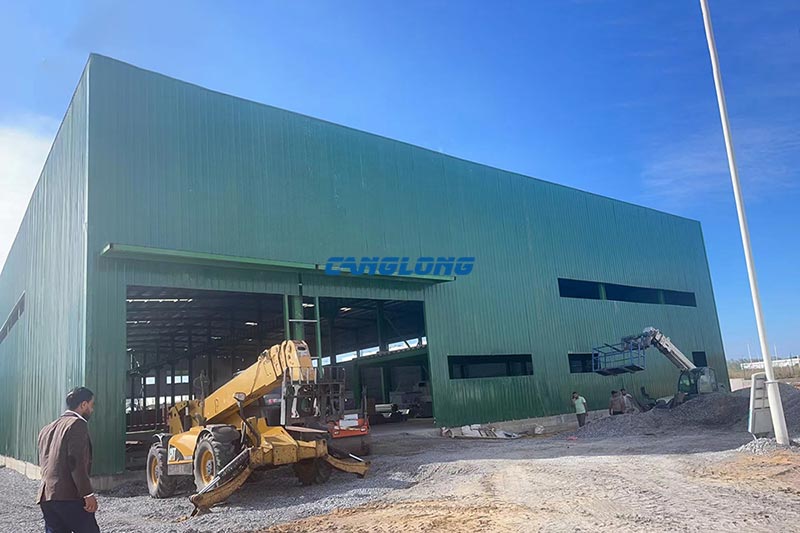
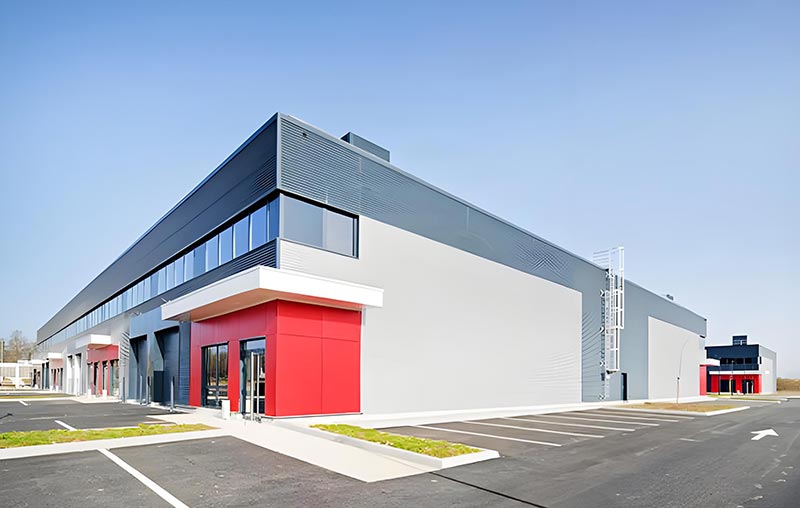
Against the backdrop of global manufacturing upgrading and cost pressures, factory construction has shifted from extensive investment to precise cost control. As one of the mainstream choices in industrial construction, steel structures are becoming a key tool for enterprises to reduce their full lifecycle costs due to their unique advantages. This article analyzes how steel structures can save money for factories from five dimensions: materials, construction, maintenance, space, and policies.
1. Cost saving from materials
Traditional concrete factory buildings rely heavily on cement and sand, which not only result in high raw material costs but also have limited transportation radius. The steel structure is mainly made of steel, and its own weight is only one-third of that of concrete. Under the same span, the foundation engineering quantity can be reduced by more than 40%. This means that the materials and construction costs of underground engineering such as pile foundations and abutments have been significantly reduced.
More importantly, the recyclability of steel far exceeds that of concrete. According to the World Steel Association, the recycling rate of steel structures exceeds 90%, and they can be 100% recycled after being scrapped. Compared to concrete, the material recycling value of steel structures in long-term use can save enterprises the cost of secondary construction or renovation.
2. Modular construction
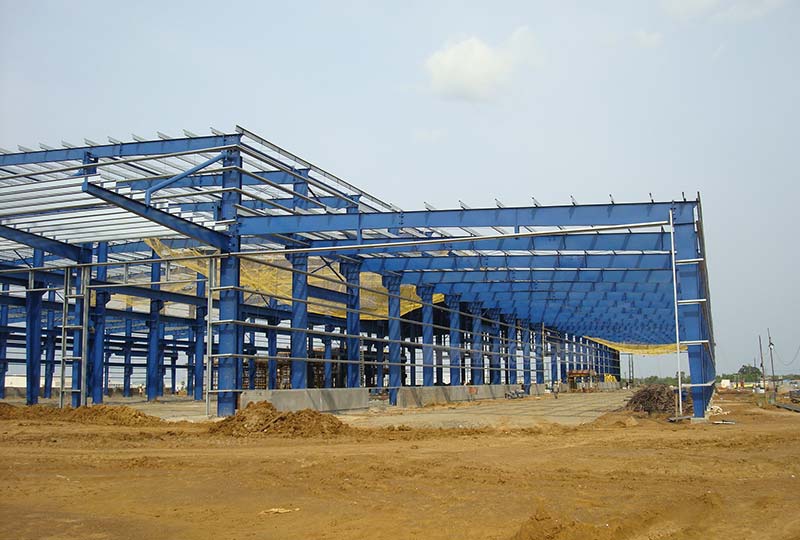
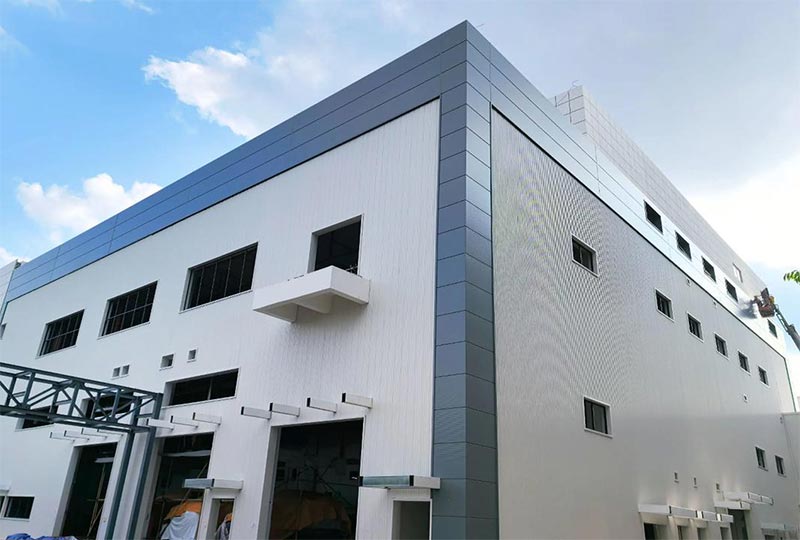
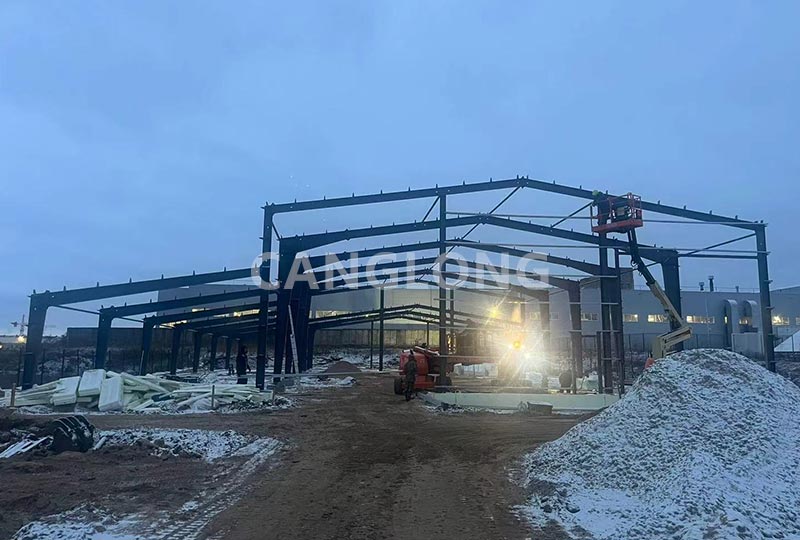
Time is money. For the manufacturing industry, if a factory is put into operation one day earlier, it can create one more day of output value. The core advantage of steel structures lies in industrial prefabrication and rapid on-site assembly. The components undergo cutting, welding, anti-corrosion and other processes in the factory, and only require bolt connection or welding after being transported to the site, without the need for formwork or maintenance.
According to the statistics of the China Steel Structure Association, for factories of the same scale, the construction period of steel structures is shortened by more than 50% compared to concrete. Concrete usually takes 6-12 months, while steel structures only take 3-6 months. Shortening the construction period means a reduction in labor costs, equipment rental expenses, and management costs. More importantly, enterprises can start production 2-6 months in advance and seize market opportunities.
3. Long term cost control
Maintenance costs are often overlooked in the full lifecycle cost of a factory building. Concrete structures are susceptible to changes in temperature and humidity, and are prone to cracking, water seepage, and other issues after 10-15 years. Regular repairs or even reinforcement are necessary. The steel structure, through anti-corrosion treatment such as hot-dip galvanizing and high-performance coatings, has a design life of over 50 years, and only requires regular inspections of bolt tightness and coating integrity on a daily basis. The maintenance cost is only one-third to one-half of that of concrete.
In harsh climate areas such as coastal areas with high salt spray and humidity, the corrosion resistance advantage of steel structures is more significant. For example, a Southeast Asian electronics factory adopts hot-dip galvanized steel structure factory building, which has not experienced structural corrosion for 20 years, while the concrete factory building constructed during the same period has undergone multiple wall repairs, with a cumulative maintenance cost exceeding 15% of the initial cost.
4. Large space
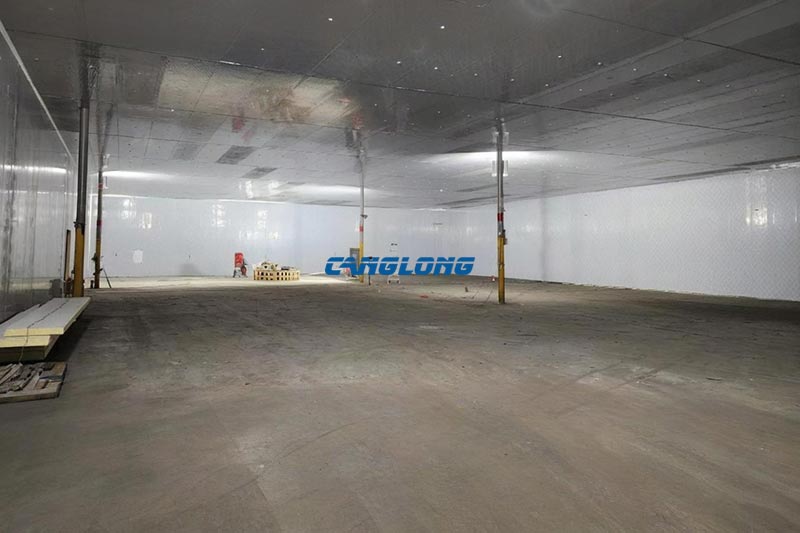
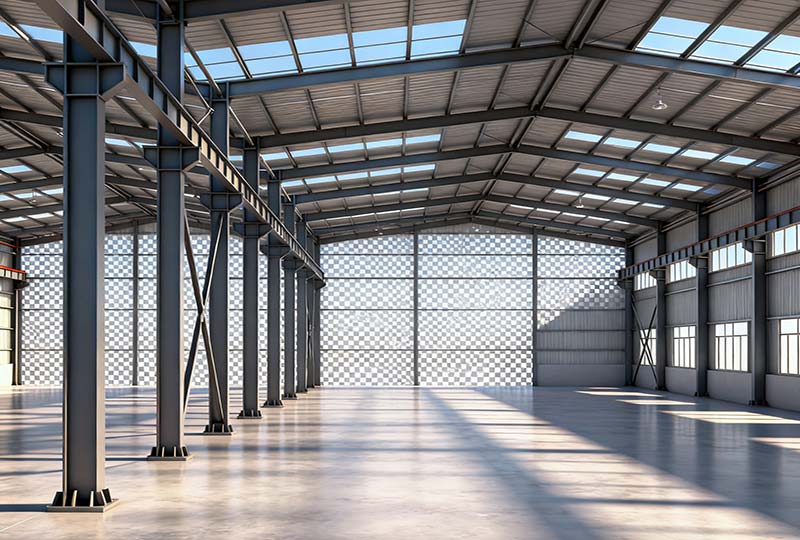
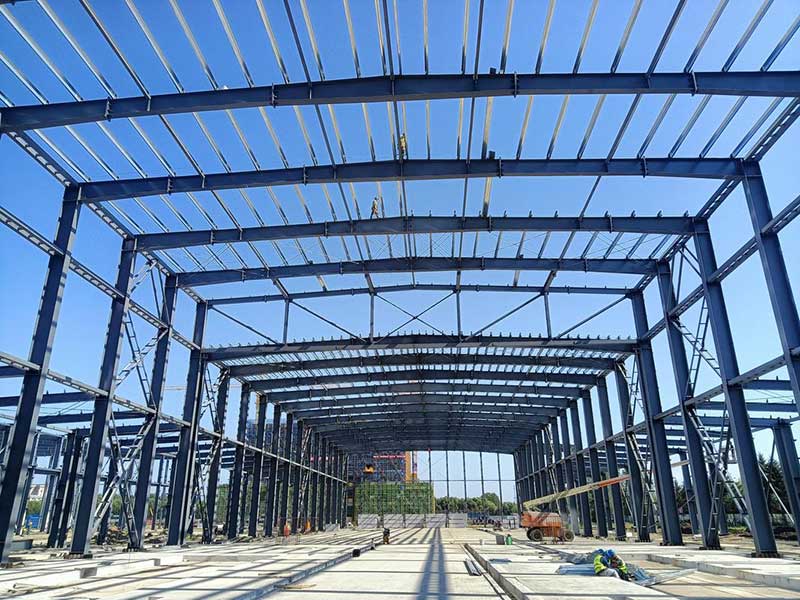
The demand for factories in the manufacturing industry has shifted from providing shelter from wind and rain to efficient production. Steel structures, due to their high strength and light weight, can achieve super large spans of over 80 meters, while concrete structures typically do not exceed 24 meters and do not have intermediate columns, freeing up more available space. For example, the automobile assembly workshop and logistics warehouse center achieve column free large space through steel structures, increasing storage or production efficiency per unit area by 20% -30%.
In addition, the modular nature of steel structures supports flexible retrofitting in the later stages. When a company adjusts its production line, only partial dismantling or replacement of components is required, without the need for overall reconstruction, and the cost of renovation is only 1/5-1/3 of that of new construction. This growable characteristic allows the factory to continuously create value as the business expands.
5. Policy
Globally, the “dual carbon” goal is driving countries to introduce green building incentive policies. Steel structures are included in most countries’ green building materials catalogs due to their low carbon emissions, recyclability, and other characteristics. For example:
- The EU’s’ Green Deal ‘provides tax exemptions for steel structure buildings.
- In LEED certification in the United States, steel structure projects can earn additional points to reduce financing costs.
- China provides plot ratio incentives and special subsidies for prefabricated steel structure buildings.
These policies directly reduce the upfront investment of enterprises and even generate additional profits through carbon trading.
Conclusion
In the short term, steel structures may experience slightly higher fluctuations in steel prices compared to concrete. However, from the perspective of the entire lifecycle, its comprehensive advantages of lightweight infrastructure, fast construction time saving, low maintenance cost saving, large space efficiency improvement, and policy cost reduction have become the core strategy for global manufacturing cost reduction.
Whether it’s emerging factories in Southeast Asia, green parks in Europe, or infrastructure projects in Africa, steel structures are redefining the cost-effectiveness of industrial buildings with their efficient, economical, and sustainable characteristics. For enterprises, choosing steel structures is not only about building a factory, but also about reserving cost flexibility for the development of the next 10-20 years.
As a well-known steel structure construction supplier in China, Canglong Group has 20 years of industry experience and provides one-stop steel structure solutions from design to installation. We have a factory of 100000 square meters, and all our products have been certified by ISO and CE, and are sold to over 80 countries and regions worldwide.
Related Posts
 August 6, 2025
 December 24, 2025
 September 3, 2025
 September 15, 2025
Leave a Message
Your email address will not be published. Required fields are marked *
 February 26, 2026
 February 13, 2026
 January 9, 2026